Health and Safety Policy — Commercial Waste Removal Soho
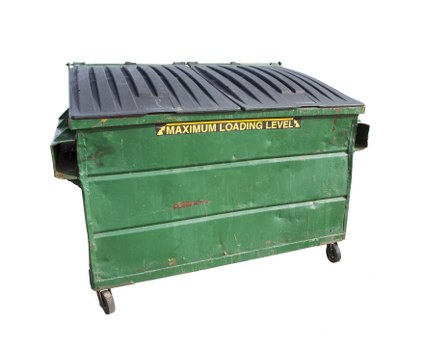 Policy Overview: This Health and Safety Policy sets out the commitment of our commercial waste removal and rubbish collection operations in Soho to provide a safe working environment for employees, contractors and members of the public. The policy applies to all activities associated with commercial rubbish removal, waste transfer, container handling and on-site depot work. Our aim is to minimise harm through systematic risk identification, control measures and continuous improvement in safety performance.
Scope and Objectives
We will comply with applicable health and safety obligations and apply best practice across our waste removal services. This includes regular risk assessments, safe systems of work, appropriate personal protective equipment (PPE), and clear allocation of responsibilities. The objectives are to reduce workplace incidents, prevent occupational ill-health, and ensure safe handling of commercial waste in line with environmental responsibilities.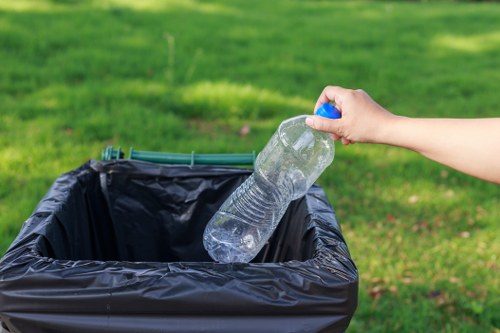
Key Commitments
We commit to the following:- Identify hazards associated with waste collection, vehicle use and depot operations;
- Assess and prioritise risks including manual handling, sharps and hazardous materials;
- Control risks by implementing engineering, administrative and PPE measures;
- Monitor and review controls to maintain continuous compliance.
Roles and responsibilities are clearly defined to support this policy. Senior management will take ultimate responsibility for ensuring resources are available for health and safety. Supervisors are responsible for day-to-day implementation, ensuring that staff follow safe systems of work and complete required training. Employees must follow instructions, report hazards and use provided PPE. Contractors and agency staff are expected to meet the same standards when working on behalf of the company.
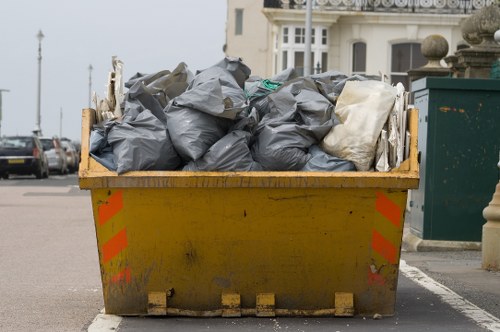
Risk Assessment and Safe Systems
We will conduct documented risk assessments for all routine and non-routine activities. Assessments will consider: vehicle movements, manual handling of bins and bulky items, lifting operations, exposure to sharps and chemicals, slips and trips, confined space risks in compaction units, and waste segregation procedures. Controls include traffic management plans, mechanical aids, designated loading areas and safe isolation procedures for compactors and balers.Operational Controls
Operational controls are central to safe rubbish removal services. These include scheduled equipment inspections, permit-to-work for high-risk tasks, documented lift plans for heavy loads, and clear signage at depot and collection points. The company employs vehicle safety checks and routine maintenance to ensure safe operation of refuse trucks and vans used in commercial waste collection.Training and competence are essential. All staff involved in waste handling and rubbish removal operations will receive induction training, task-specific instruction and refresher courses. Training covers manual handling, safe driving for work, hazardous waste recognition, needle-stick awareness and emergency response. Records of training and competence assessments will be maintained and reviewed regularly.

PPE, Equipment and Waste Handling
The provision and correct use of PPE is mandatory for all operational staff. This includes high-visibility clothing, gloves appropriate to the waste type, safety footwear, eye protection and respiratory protection where required. Equipment such as sack trolleys, lifters and compactors will be maintained and used only by trained personnel. Waste will be segregated and handled to reduce exposure to biological, chemical and sharp hazards, and suitable containment will be used for commercial hazardous materials.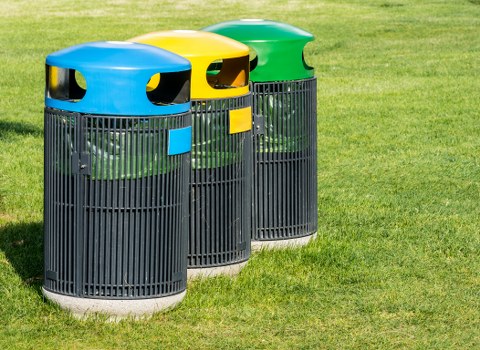
Accident Reporting and Emergency Procedures
All incidents, near misses and unsafe conditions must be reported promptly. The company will investigate incidents to identify root causes and implement corrective actions. Emergency procedures are in place for incidents such as spill response, fire, major contamination and serious injury. First-aid provision and communication protocols are maintained at depots and on-site where waste services are performed.Monitoring and audit arrangements include regular inspections, performance indicators and internal audits of health and safety systems. The company will measure outcomes such as incident frequency, training completion rates and maintenance of equipment. Findings will be used to improve procedures and strengthen controls across our commercial rubbish services.
Legal and compliance commitment: the organisation will keep up to date with relevant health and safety law and environmental regulations affecting waste removal and handling. We will ensure that licences, permits and waste transfer documentation are maintained where required, and that obligations related to hazardous waste are met through proper classification and authorised disposal routes. This policy does not replicate statutory guidance but sets out our operational position in respect of safety and compliance.
Policy review: this Health and Safety Policy for our commercial waste removal operations will be reviewed at least annually and revised as necessary following significant changes to operations, equipment, personnel or legislation. The review process will consider feedback from employees, audit outcomes and incident investigations to sustain a culture of safety and continuous improvement across our rubbish removal and waste management services.
Approval: This policy represents the company's position on health and safety for commercial waste removal and associated services. It is endorsed by senior management and communicated to all employees and contractors. Every person engaged in waste collection, transfer or depot activities has a responsibility to support and comply with this policy.
Signed on behalf of the company
